Table Of Content
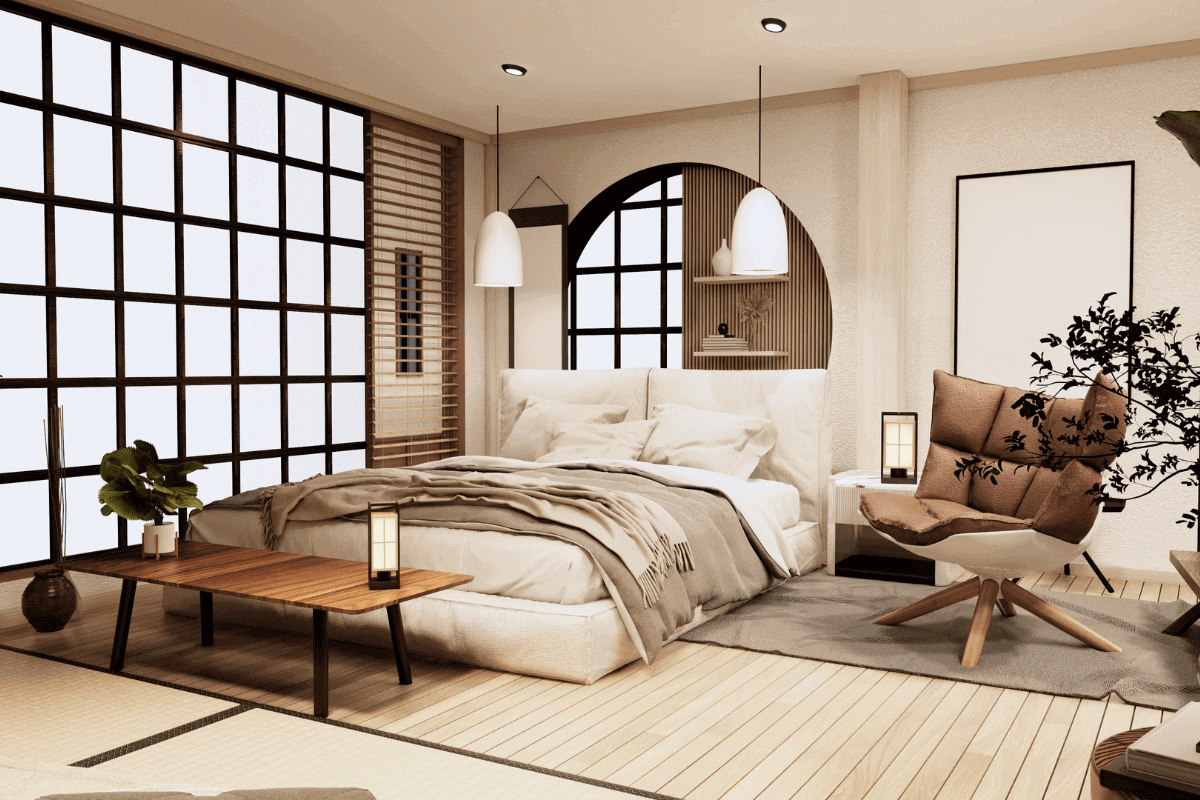
Besides using natural materials, you can also play with leather and warm shades of brown to create a welcoming ambience. This Jalan Membina home does just that by creating visual intrigue in each room. The play on various textures from the leather sofa to the rattan wardrobes helps create continuity in its wabi-sabi interior design. This Japanese interior design style appreciates natural and simple dwellings that embrace the concept of time, as well as its effects. Many find it hard to emulate the wabi-sabi style as it is more instinct-based rather than following a checklist. If you're looking to create a peaceful, calming space in your home, then Wabi-Sabi interior design might be just what you're looking for.
Neutral, inviting colors
Keep it to the minimum by using statement lights strategically and sparingly. Think a stunning organic pendant in the living room or a delicate lantern-style table lamp in the bedroom. When it comes to raw items, use Wabi-Sabi ceramics like unglazed pottery instead of modern ceramics, in the form of planters or bowls, or use olive jars that have broken handles.
Embrace Imperfection with the Wabi-Sabi Interior Design Style
This tranquil Bengaluru home dives deep into every single tenet of the wabi-sabi aesthetic - Architectural Digest India
This tranquil Bengaluru home dives deep into every single tenet of the wabi-sabi aesthetic.
Posted: Tue, 06 Feb 2024 08:00:00 GMT [source]
One or two accents will connect a present-day interior with the past, essential to a transient space. So include wabi-sabi decor, specifically objects that have a history, mindfully. This can consist of vintage mirrors with weathered frames or handwoven rugs that tell a story.

Homes That Embrace Wabi-Sabi Design
The importance of mindset is why wabi-sabi can be difficult to easily define. Though objects are important, they’re intertwined with philosophy — and that was the intention when the movement originated. In a world dominated by social media perfection, wabi-sabi is a welcome invitation to pause and appreciate what's real. Try reusing objects from around your home (instead of only recycling) – for example, a finished glass jar of pickles or olives can be reused as a flower vase. Use the Japanese art of kintsugi to put the pieces back together, and then paint over the cracked lines with gold. Here, he left the structure's curving concrete walls exposed and applied a micro-topping surface to the floors while installing bespoke oak furniture designed in collaboration with Tim Vranken.
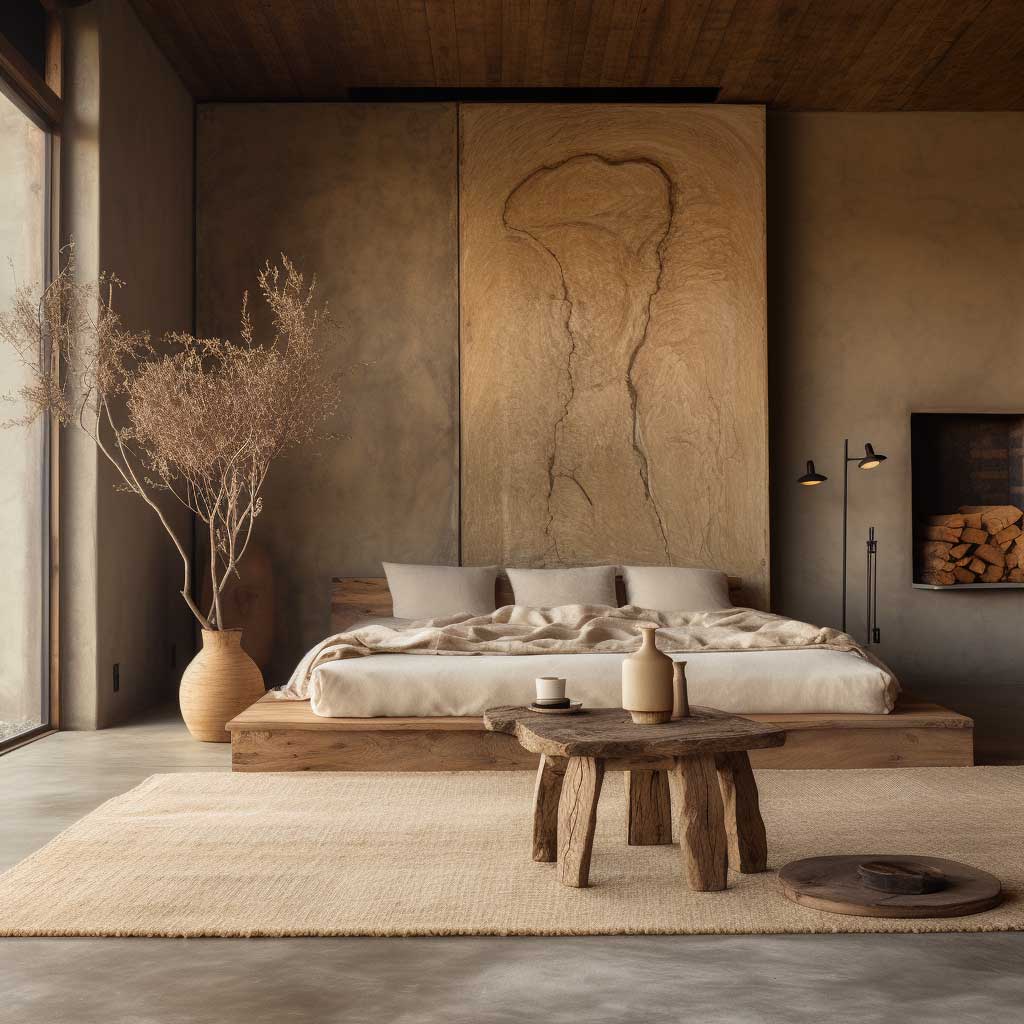
There's no shortage of perfectly styled home decor images available online. With a quick scroll through your Instagram feed, you'll find meticulously made beds, #shelfie-ready bookcases, and living rooms that could easily be mistaken for a magazine spread. Add one or two potted plants to invigorate the look, but vary heights if adding more than one. One oversized indoor plant and a moisture-loving mini fern in organic pots will add a special touch.
Whatever you do with this rustic stump stool, know that it will make your life feel 10,000 times more pastoral goblincore-wabi-sabi. Incorporating Wabi-Sabi into your home is also about adding personal touches. Maybe you have a collection of seashells from your beach vacations or a vintage clock that belonged to your grandma. These unique items show that your home isn’t just a showcase, but a reflection of who you are.
What’s My Interior Design Style?
For instance, a piece of furniture made from reclaimed wood not only has a unique charm and history but also saves that wood from going to waste. Wabi-Sabi doesn’t just create beautiful, authentic homes; it helps us live in a way that’s kinder and more respectful to our planet. These pieces are captivating because they contrast with expected prints and trendy decor. An all-black canvas with relief swirls, unique nature-inspired abstracts with subtle flaws, or irregularly shaped sculptures reflect the imperfect beauty of wabi-sabi. Creating a seamless fusion of natural home decor and understated elegance is easy with some help.
Best Ways To Incorporate The Wabi-Sabi Interior Design in Your Home
From reusing broken objects to embracing stains, chips and cuts on things, the wabi-sabi way of life is all about the concept of less is more. As a Japanese aesthetic, wabi-sabi has a sharp influence on modern life as it corresponds to the beauty that lies in humility, austerity, and the ephemeralness of life. In the lounge area, the wooden deck extends from the outside into the room, enhancing the feeling of nature being invited in. Grainy wood and veiny marble come together as symbols of nature's flaws at Imperfect Residence in Hong Kong.
Find Joy in Simplicity
The front door leads to an open-concept living space with a pitched roof, exposed rafters and light hardwood floors. The entire home is awash in white paint, which amplifies the natural light that floods in through clerestory windows. An original cast iron stove sits on a platform of terracotta tiles near the entryway, but the real focal point is the stone surround fireplace that’s teeming with potted plants. Sierra Towers is a minimalist residence located in Los Angeles, California, designed by Lauri Design Studio. The project bears testimony to a harmonious balance between the serene principles of wabi-sabi and the refined nature of modernism.
Let’s discover the details of Wabi Sabi interior design and explore some examples to inspire your home décor. Wabi-sabi manifests in heavier tones, like greys, blues and greens that reflect nature and pastel shades like cream, sand, for a muted look from the desert and the beach. Add planters, reclaimed furniture or handmade art to personalise your space. Situated amid the forest in Rhinebeck, New York, the geometric, eco-friendly Ex of In House by architect Steven Holl stars a large window capable of heating the living space with sunlight during the winter months.
It’s an invitation to engage with authenticity, acknowledging the simple truths that nothing lasts, nothing is finished, and nothing is perfect. It’s a celebration of flawed beauty, where the process of creation is as enriching as the final masterpiece, forever evolving, forever telling a story. Wabi-Sabi is not merely a design style; it’s a lens through which we witness the beauty of the transient and imperfect world. It’s a philosophical echo that resonates through every crevice and corner of a space designed with mindfulness and intention.
That’s the thinking behind wabi-sabi interior design, a style that’s growing in popularity in Singapore and around the world. Wabi-Sabi is not just a design style, but a way of life that emphasises the appreciation of the present moment and finding joy in the imperfections of life. In Wabi-Sabi design, less is often more, and the focus is on creating a space that feels organic, natural and promotes mindfulness and your well-being.
That’s wabi-sabi; do you yearn for an antique wood stool, or a coffee table that’s a slab of stone? This interior design concept’s love for natural materials inherently supports sustainability. Materials like wood, stone, and clay are renewable and have less of an impact on the environment compared to man-made materials like plastic. A stack of books on the table, a throw blanket on the sofa, and a plant pot with a bit of dirt on the rim aren’t seen as a mess to be cleaned up.
In addition, adding plants like succulents and bamboo can enhance the serene and organic ambiance of the space. For example, finding joy and beauty in making your morning cup of tea or coffee, or even reading a book, curled up in a corner of your living room beside a Wabi-Sabi coffee table at a certain hour each day. This helps in creating a warm and comfortable space, akin to the feeling of a home that has been ‘lived in’. For example, if you want to incorporate the Wabi-Sabi philosophy in your living room, add some blankets and pillows to bring about a feeling of warmth. The presence of green leaves in your home is enough to boost its overall aesthetic. Try keeping plants on your windowsill, or add to the greenery in your balcony by adding small houseplants like a rubber tree, prayer plant, a fiddle-leaf fig, ficus, or hoya.
These can be complemented with textiles and bedding that embrace a naturally imperfect look, such as leaving the bed imperfectly made. "For example—wood, natural stones, and 'living' finish metals can all show signs of aging beautifully while adding character to the home." Now, let’s unravel the beautiful duo that forms Wabi-Sabi – ‘Wabi’ and ‘Sabi’. While ‘Wabi’ echoes a ‘subdued, austere beauty’, ‘Sabi’ celebrates the ‘rustic patina’ that time and use bring to materials.
Cool black stone tiles in the bathroom offer a subtle contrast to the wooden wabi-sabi dining room of this condo. If you have a penchant for Asian-inspired home design but also tend toward more minimalistic interiors, then wabi-sabi design might just be your ideal philosophy. Much like Japandi design, which merges Japanese and Scandinavian principles, wabi-sabi puts a minimalist spin on traditional Asian design elements to create spaces that are bright, warm, and inherently calming. And with a little bit of design know-how you can bring it to life in pretty much any type of home. By celebrating the passage of time and accepting natural deterioration, Wabi-Sabi allows the true essence of materials to shine through. The imperfections and irregularities in texture lend depth, character, and tranquil simplicity to an interior space.




No comments:
Post a Comment